Why 'Proprietary Blend' Should Make You Pause
Recognizing an ingredient name takes a second. Verifying its dose takes real effort. That gap is exploitable.
Flip over almost any weight-management supplement bottle and you'll find a line that reads something like “Proprietary Blend: 1,200mg” followed by a list of ingredients with no individual amounts attached. Most people's eyes slide right past it. Worth stopping on, though, because that one line is doing more work than it looks like.
What a proprietary blend actually discloses
A proprietary blend is legally permitted to list a combined total weight and the ingredients inside it, in descending order by amount, without stating how much of any single ingredient is present. That's the entire disclosure requirement. It means a blend could be 90% one cheap filler ingredient and 10% everything else combined, and the label would look identical to a genuinely balanced formula.
Why this doesn't register as a red flag for most buyers
Behavioral research on label-reading consistently finds that people scan for the presence of recognized ingredient names — green tea, chromium, ginseng — and treat recognition itself as a signal of quality, largely skipping the question of quantity entirely. This is a reasonable shortcut most of the time, since reading every mg amount on every label isn't practical. But it's exactly the gap that a vague blend total is built to exploit: the ingredient names create a feeling of thoroughness that the actual dosing may not support.
The asymmetry that makes this work
Here's the specific mechanism: verifying that a blend is well-dosed requires comparing the total blend weight against how many ingredients share it and cross-referencing against typical clinical doses for each — multiple steps most people won't take mid-purchase. Meanwhile, recognizing an ingredient name takes under a second. That asymmetry, easy recognition versus effortful verification, is what lets underdosed blends pass as thorough ones.
What actually helps here
A few concrete checks close most of that gap without requiring a chemistry background:
- Checking whether any ingredient carries an individual dose disclosed outside the blend — a sign the brand is willing to be specific where it can be
- Dividing the total blend weight by the ingredient count for a rough per-ingredient ceiling — a useful, if imperfect, sanity check
- Comparing that rough number against the typical clinical dose for the first one or two ingredients listed, since blends are ordered by amount
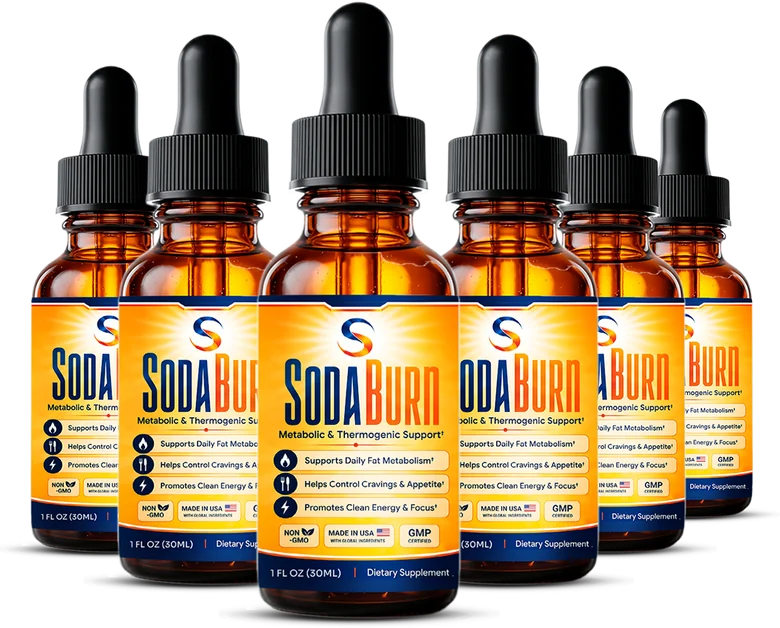
Applied here, SodaBurn's 15.47mg blend across 19 ingredients averages under 1mg per ingredient if evenly split — worth knowing, and worth applying to any product's label, not just this one. See the honest math in all 20 ingredients explained.
The honest caveat
A proprietary blend isn't automatically a scam — it's a legal, common industry practice, often used to protect a formula from being copied. The point isn't that blends are inherently deceptive. It's that the format makes it easy to look thorough while saying very little, and that gap is worth noticing rather than skimming past.